Add Row
Add Element
LinkDaddy SEO
update
LinkDaddy® : SEO, PPC & Content News for Online Success
update
Add Element
  • Home
  • Categories
    • SEO News
    • Digital Marketing Trends
    • Content Marketing
    • Social Media Marketing
    • PPC and Paid Advertising
    • Analytics and Data
    • E-commerce SEO
    • Local SEO
    • Industry News
    • Case Studies
    • Tools and Technology
    • Expert Interviews
    • Extra News
    • Inbound Marketing
    • Affiliate Marketing
    • Outsourcing
    • Digital Transformation
    • Style
    • Web Development
    • Marketing Automation
February 28.2025
3 Minutes Read

Exploring East Coast’s Omnichannel Success in E-Commerce Fulfillment

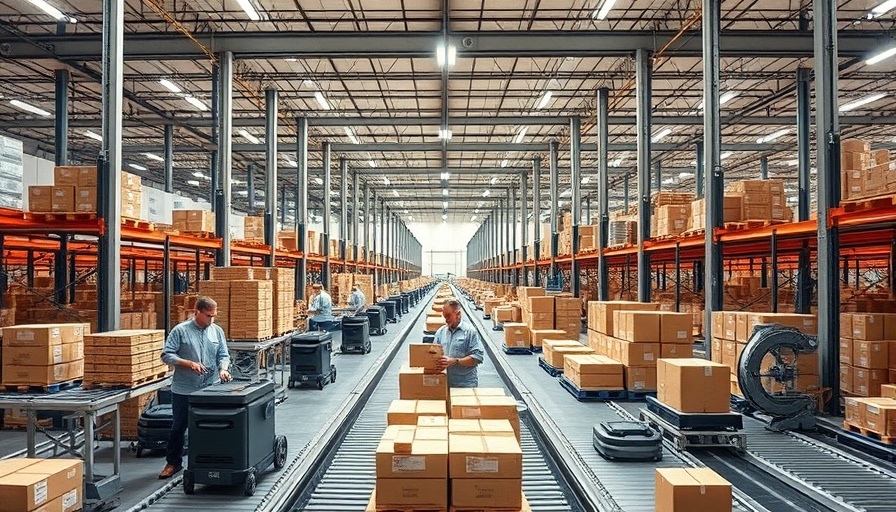
Efficient warehouse for omnichannel e-commerce fulfillment.

The Power of Omnichannel Strategy in E-Commerce

In the swift-moving arena of e-commerce, particularly on the East Coast, businesses have realized the importance of omnichannel strategies to stay competitive. What does this really mean? Omnichannel fulfillment allows customers to enjoy a seamless shopping experience whether they are buying online or in-store. This strategy not only meets the rising expectations of consumers but also capitalizes on the unique advantages that East Coast companies possess.

Why East Coast Companies Are Thriving in E-Commerce

East Coast companies are positioned uniquely with access to major urban centers. This strategic location means that they can deliver products more quickly and cost-effectively to a broad customer base. Understandably, this boosts customer satisfaction, ultimately enhancing retention.

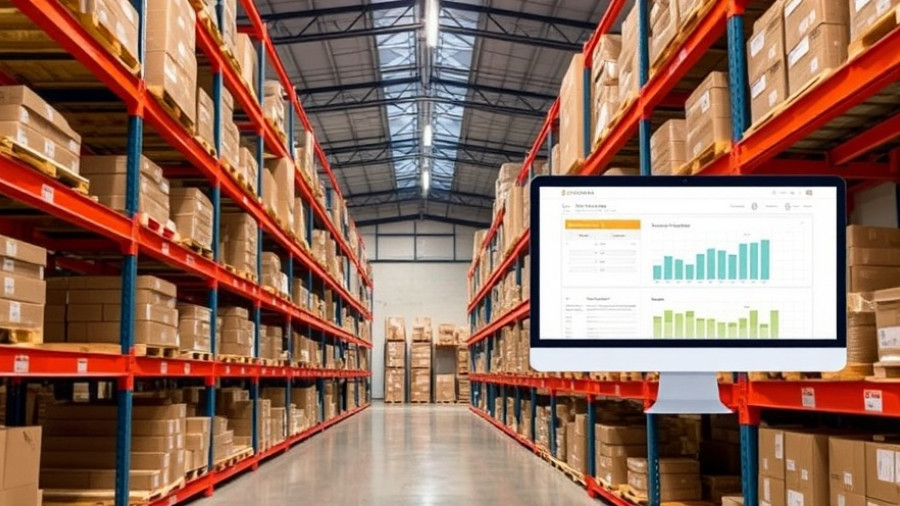
Moreover, companies on this coast are heavily investing in technology, utilizing advanced warehouse management systems and automation. Such innovations help streamline dedicated fulfillment processes, ensuring goods reach customers without delays. The increased accuracy and efficiency not only improve service but also allow businesses to scale appropriately to evolving demands.

The Role of Data in Customizing the E-Commerce Experience

Data analytics becomes a vital player in omnichannel fulfillment. By utilizing customer insights, East Coast companies can tailor shopping experiences. This data-driven approach enables brands to engage customers on a personal level—suggesting products based on their unique preferences and prior purchases. Such personalization is reshaping customer interactions and driving loyalty.

Innovative Customer Engagement Strategies

As highlighted in industry observations, social media is becoming an essential component of omnichannel strategies. Platforms like Instagram and Facebook can now act as direct sales channels, permitting brands to reach their audiences in familiar spaces. This trend not only enhances engagement but also improves conversion rates significantly.

Furthermore, East Coast retailers are blending physical and digital experiences. For instance, stores transition into interactive spaces where customers can engage with products in novel ways, creating fulfilling shopping encounters and enhancing their likelihood of purchase.

The Future of Omnichannel Retail: Predictions and Trends

As we look toward 2024, several trends are expected to take shape in the omnichannel landscape. With advancements in technology, retailers will likely personalize shopping experiences even further, using tools such as AI and augmented reality to enhance customer engagement.

Moreover, an increase in emphasis on sustainability is anticipated. Consumers today are increasingly demanding responsible consumption practices. Brands that focus on these aspects within their omnichannel strategies can score high points in customer approval and loyalty.

Best Practices for E-Commerce Optimization

To fully harness the potential of an omnichannel approach, businesses must ensure a cohesive experience across all platforms. Integrating inventory management, streamlining fulfillment processes, and training staff to maintain consistency in customer service are crucial steps.

Moreover, firms should constantly monitor their KPIs and refine their marketing strategies based on consumer data analytics. Utilizing effective marketing automation tools can facilitate this ongoing optimization process and help tailor campaigns that resonate more deeply with target audiences.

Taking Action: How to Enhance Your E-Commerce Strategy

For businesses looking to make the most of the omnichannel strategy, it’s pivotal to foster collaboration among sales, marketing, and fulfillment teams. An integrated approach allows businesses to create a unified message and experience, facilitating a smooth customer journey from start to finish.

Investing in digital marketing tools and customer engagement strategies will lead to better connection and retention rates. Also, businesses should remain vigilant about incorporating the latest trends in social media and technology to stay relevant in this constantly shifting market.

In conclusion, by investing in an effective omnichannel strategies, utilizing advanced technology, and focusing on customer-centric approaches, East Coast companies can set themselves apart in this highly competitive landscape. The promise of omnichannel fulfillment is not just a passing trend, but a fundamental shift that will guide the future of e-commerce.

If you are a business owner, or a marketer looking to elevate your e-commerce game, consider refining your omnichannel strategy today. Adapting to these insights will not only enhance your customer engagement but also lead to sustained growth in your business.

E-commerce SEO

20 Views

0 Comments

Write A Comment

*
*
Related Posts All Posts
11.08.2025

Maximizing E-commerce Efficiency: Understand 3PL Support Hours

Update Understanding 3PL Support Hours for E-commerce SuccessIn the dynamic realm of e-commerce, businesses are often propelled to react quickly to the demands of their customers. This requires a deep understanding of third-party logistics (3PL) support hours, a critical factor that can either make or break service quality. Why Knowing Support Hours is EssentialThe operational landscape has transformed remarkably, and so has the supply chain management strategy. For e-commerce businesses, knowing the specifics of 3PL support hours is crucial. Variations in support hours may exist based on factors such as the type of product being handled, location, or the specific service channel an organization utilizes. For instance, a warehouse located in the U.S. may operate differently than one overseas. Understanding these variances enables businesses to select 3PL providers that align harmoniously with their operational goals - a crucial determinant of customer satisfaction.Types of Support Channels You May EncounterCommunication is key in logistics management, and 3PL providers often offer various support channels:Phone Support: The backbone of customer service, phone support is designed for urgent matters, with many 3PLs offering hotlines during operational hours and some extending this to 24/7 availability for critical issues.Email Support: Email support is vital for detailed inquiries, providing a formal record of the conversation, with most providers aiming for a response time of 24 to 48 hours.Live Chat: Often available during peak hours, live chat offers immediate responses to pressing questions, allowing real-time assistance without the problem of extended hold times.Self-Service Portals: These 24/7 available portals empower e-commerce players to solve common inquiries independently, ensuring service continuity and user satisfaction.Aligning 3PL Support Hours with Your Business NeedsUnderstanding your unique business needs allows you to determine the right 3PL partner effectively. Consider elements such as peak operating hours and the geographical location of your customer base. For instance, businesses operating predominantly in the U.S. might require different support hours compared to those engaging in international trade. A good 3PL partner will be able to tailor their support hours to ensure seamless logistics operation suitable to your market demands.Recent Innovations in 3PL SupportThe logistics industry is ever-evolving, and the integration of AI-driven support tools is a game-changer. The ongoing advancements in AI are revolutionizing how 3PLs respond to inquiries. For instance, automation via AI chatbots is not only streamlining responses for routine queries but also enabling human agents to focus on complex issues, thus enhancing overall efficiency.Case Studies: Real-World Impact of 3PL Support HoursA practical understanding of 3PL support demonstrates its significance through real-world examples. A clothing retailer experienced delays during peak seasons due to a lack of effective logistics support. By focusing on 3PL partners with round-the-clock support, they improved their order fulfillment and customer satisfaction.Strategic Benefits of Partnering with a 3PLEngaging with a 3PL provider doesn't solely contribute to enhanced logistics; it allows businesses to refocus on their core activity areas. From inventory management to better order tracking provided by the 3PL through advanced tech, these partnerships enable better decision-making and operational scalability. Conclusion: The Critical Role of 3PL Support HoursIn summary, understanding 3PL support hours is essential for ensuring operational effectiveness in today’s fast-paced e-commerce world. As we navigate the landscape of logistics, aligning support hours with business needs becomes a key factor in succeeding in the marketplace. By utilizing the insights gathered from this article, businesses can make informed decisions, ultimately leading to enhanced customer satisfaction and operational success.

11.07.2025

Exploring 3PL Services for Kitchen Essentials in Indiana: Essential Factors to Consider

Update Choosing the Right 3PL for Kitchen Essentials In the ever-evolving world of e-commerce, particularly within the kitchen essentials sector, the significance of choosing a reliable third-party logistics (3PL) provider in Indiana cannot be overstated. The right partnership can define not just the efficiency of operations, but also enhance customer satisfaction and business credibility. Why 3PL Services Matter As online shopping surges, businesses face mounting pressure to ensure timely deliveries and effective inventory management. Research indicates that 3PL services lead to a notable increase in operational efficiency. By outsourcing logistics, businesses can focus on core competencies while leveraging the expertise of specialized providers to maximize resources and enhance overall performance. Key Factors in Selecting 3PL Providers When evaluating potential 3PL partners, businesses should prioritize specific attributes that align with their operational needs. These include: Specialized Storage and Handling: Kitchen essentials often comprise fragile or perishable items. It is imperative that 3PL providers utilize temperature-controlled environments and possess experience in managing delicate kitchen products. Advanced Technology Implementation: Today’s efficient logistics operations hinge on technology. Opting for providers that integrate advanced warehouse management systems (WMS) fosters better inventory tracking and facilitates accurate demand forecasting. Value-Added Services: Competitive differentiation can be achieved through services like kitting, custom packaging, and labeling, which enhance customer experience and create brand loyalty. Strategic Location: The geographical positioning of a 3PL provider can impact delivery times significantly. Providers located in Indiana’s logistics hubs, such as Indianapolis, can ensure rapid shipping due to their proximity to major highways and transport networks. Reliable Delivery Management: Strong partnerships within transport networks ensure that your products are delivered on time, maintaining customer satisfaction and brand reputation. Current Trends in 3PL Services The landscape for logistics services is continuously evolving. Recent advancements such as the integration of AI-based forecasting tools into warehouse management systems are enhancing demand accuracy and operational efficiency. These developments signify opportunities for businesses to stay competitive. Comparative Insight: Indiana vs. National Average When assessing fulfillment costs, Indiana remains competitive, often falling slightly below the national average in many key areas, including order fulfillment fees. Understanding these pricing structures can guide businesses in budgeting while optimizing their logistics costs. Planning for the Future Businesses must remain agile in their logistics strategies, adapting to industry changes and consumer expectations. Investing in a dependable 3PL provider will yield long-term benefits, facilitating robust growth patterns and scalability in a dynamic marketplace. Connecting With Resources Finding the right warehousing solutions can be daunting in a landscape filled with options. Optimally leveraging resources like curated networks or consulting services ensures access to vetted providers tailored to specific needs. This can streamline logistics management, freeing up businesses to focus on growth and innovation as highlighted in recent e-commerce SEO techniques and digital marketing tools. If you are a business owner striving to level up your logistics operations, understanding these dynamics can give your company the boost it needs to thrive in a competitive environment. Choosing the right 3PL service is not just a logistical decision; it’s a strategic one that can propel your business to new heights. For professional recommendations aligned specifically to your needs, consider connecting with trusted 3PL service connectors who prioritize feedback-driven matches. Start today by filling out a form to find a solution tailored for your business!

11.05.2025

Navigating the Evolving Online Grocery Market: Trends Impacting Food and Beverage Shoppers

Update The Evolution of Online Grocery ShoppingThe food and beverage landscape has transformed significantly in recent years, particularly regarding shopping behaviors influenced by the ongoing pandemic. Consumers have pivoted towards online grocery shopping, finding convenience at their fingertips. Salsify’s study highlights that 67% of food and beverage shoppers utilize online marketplaces, with a robust percentage also relying on search engines (62%) and social media channels (57%) for discovering new products. The trends indicate an encompassing shift towards digital, propelled by greater accessibility and a preference for ambient shopping—where purchases occur during casual browsing rather than directed searches.Understanding Consumer Behavior in Food and Beverage E-CommerceAs online shopping becomes a staple for many, understanding consumer behavior is pivotal in shaping marketing strategies. Salsify’s research reveals that 73% of shoppers engage in ambient shopping, highlighting a unique opportunity for brands to capture attention on social media platforms like TikTok and Instagram. This should encourage marketers to creatively leverage these channels, developing engaging content that can influence buying decisions even in a casual browsing context.The Impact of Value on Online Shopping DecisionsAmid rising costs, the notion of value has altered consumers' shopping habits. Mintel's report emphasizes that while customers are sensitive to pricing, they continue to see value in convenience. For instance, younger shoppers, particularly in the 16-34 age group, find the acceptance of delivery charges acceptable when weighed against the time savings it offers. Retailers must therefore communicate not just price value but enhance the perceived value through convenience and shopping experience.Strategizing for Enhanced Customer EngagementA key insight from both Salsify and Mintel is the critical role of customer engagement strategies. Building loyalty through personalized discounts, streamlined experiences, and digital loyalty programs can prove essential. Brands can utilize data-driven insights to tailor their communications effectively, addressing the diverse needs of their consumer base.Leveraging Technology for Competitive AdvantageTechnology plays a pivotal role in redefining the competitive landscape for food and beverage e-commerce. Brands implementing advanced delivery logistics—like rapid delivery services or subscription models—set themselves apart in attracting and retaining customers. For instance, as highlighted in Mintel's findings on sustainability, consumers are increasingly drawn to brands that not only offer speed but emphasize eco-friendly practices. Sustainability in packaging and reduced carbon footprint can influence purchasing decisions and build brand loyalty.Preparing for Future Trends and ChallengesUltimately, the food and beverage e-commerce sector stands at a crossroads. With e-commerce sales projected to grow substantially, brands must be proactive in adapting their strategies to align with evolving shopper preferences. The incorporation of innovative technologies like AI for personalized recommendations or AR for enhancing user experience can significantly boost retention rates. To remain competitive, brands are urged to not just respond to trends but to anticipate them, embedding these insights firmly into their business strategies.In conclusion, the intersection of convenience, value perception, and enhanced shopper engagement is shaping tomorrow's food and beverage e-commerce landscape. Brands that effectively navigate this environment will find success, ensuring they engage meaningfully with consumers at every touchpoint.

Terms of Service

Privacy Policy

Core Modal Title

Sorry, no results found

You Might Find These Articles Interesting

T
Please Check Your Email
We Will Be Following Up Shortly
*
*
*