Add Row
Add Element
LinkDaddy SEO
update
LinkDaddy® : SEO, PPC & Content News for Online Success
update
Add Element
  • Home
  • Categories
    • SEO News
    • Digital Marketing Trends
    • Content Marketing
    • Social Media Marketing
    • PPC and Paid Advertising
    • Analytics and Data
    • E-commerce SEO
    • Local SEO
    • Industry News
    • Case Studies
    • Tools and Technology
    • Expert Interviews
    • Extra News
    • Inbound Marketing
    • Affiliate Marketing
    • Outsourcing
    • Digital Transformation
    • Style
    • Web Development
    • Marketing Automation
October 09.2025
2 Minutes Read

Understanding the Impact of Recent Google SEO Updates on Marketers

Daily Search Forum Recap: October 9, 2025

The Surge in Google Search Ranking Volatility

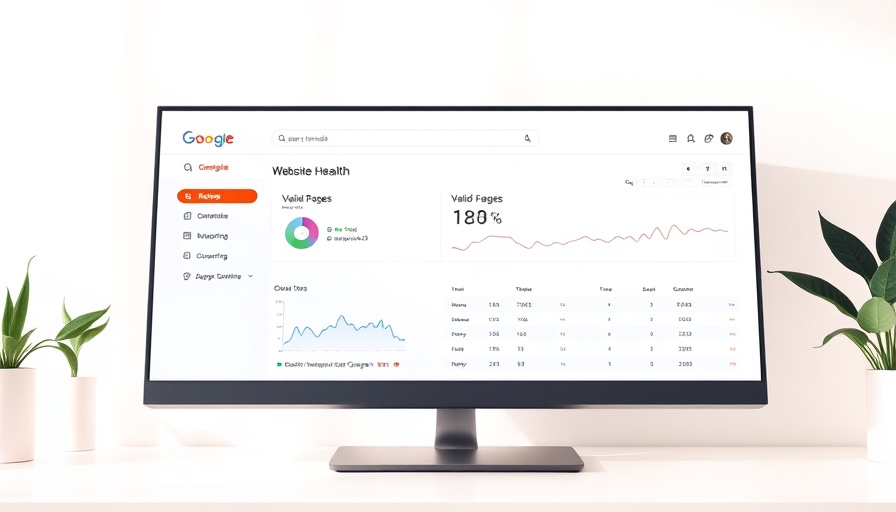
On October 9, 2025, an evident escalation in search ranking volatility was established as SEO professionals reported significant fluctuations in Google search results. This development, marked by discussions amongst industry leaders and analysts, appears closely tied to the recalibrated tools that monitor such volatility, suggesting a possible shift in Google's underlying algorithm or its approach to ranking factors.

Global Reach of Google AI Mode Expansion

The expansion of Google AI Mode has garnered attention, now available in over 35 new languages across 40 countries. This strategic move highlights Google’s commitment to localizing its services and enhancing user experience globally. By making advanced AI tools accessible, marketers now have the opportunity to target broader audiences effectively.

Innovations in Google's E-Commerce Strategies

Google's Try On feature, which recently added support for shoes, marks a significant step in enhancing e-commerce interactions online. The feature's rollout to Australia, Canada, and Japan signals Google’s intention to enhance product visualizations for consumers, ultimately driving higher conversion rates and customer satisfaction.

Google Business Profiles Gains New Insights Tool

Another notable development is the testing of a new Insights section in Google Business Profiles. This feature aims to provide businesses with tailored suggestions to improve profile performance, facilitating better customer engagement through a deeper understanding of audience needs. From gaining reviews to updating important business information, these recommendations are pivotal for enhancing visibility and interaction in local search results.

The Transition to New Ad Controls in AdSense

Google's transition from the traditional 'Ad networks' controls to a more refined 'Authorized Buyers' blocking system marks a response to evolving advertising needs. Set to be implemented on November 6, this change is anticipated to improve safety and trust in advertising partnerships, allowing marketers to navigate brand safety with greater precision.

Broader Digital Marketing Implications

Overall, the developments highlighted in this week’s search forum recap shed light on broader trends within digital marketing, emphasizing the importance of adaptability in a fast-paced environment. Marketers must leverage insights from Google's updates to optimize their strategies effectively. Incorporating advanced SEO techniques, pursuing strong content marketing strategies, and being aware of shifting consumer behaviors can move businesses ahead in this competitive digital landscape.

Call to Action

Staying informed about these ongoing changes is critical for businesses aiming to remain competitive. Explore advanced analytics tools and continue to evolve your digital marketing strategies in response to these updates, ensuring your brand effectively reaches its target audience.

SEO News

2 Views

0 Comments

Write A Comment

*
*
Related Posts All Posts
11.06.2025

Understanding Click Drops Despite Stable Impressions in Digital Marketing

Update Understanding the Disconnect: Why Clicks Can Drop While Impressions Stay Stable As digital marketers navigate through evolving SEO landscapes, a perplexing trend has surfaced: clicks can drop sharply even when impressions seem stable. This phenomenon, increasingly discussed in forums and professional groups, raises numerous questions about how search engines measure activity and what it means for website performance. The Impact of Google's Changes on Impression Data Starting around mid-September 2025, many have noticed significant drops in their impressions on Google Search Console, a key tool for monitoring website performance. These drops have sparked debates among SEOs, with the consensus centering on a critical change Google implemented—the discontinuation of the &num=100 parameter, which allowed tools to retrieve large sets of search results efficiently. In essence, fewer impressions are currently reported because bots can no longer access the same depth of results, fundamentally altering impression counts. Bots and Ghost Impressions: What You Should Know The sudden decline in impressions has often been attributed to inflated metrics caused by bots scraping data. Historically, these automated tools had the ability to inflate impression counts by accessing deeper search results. As Google recalibrated their data reporting mechanisms, many of these inflated impressions vanished, leading to a stark contrast: a decrease in reported impressions without a corresponding decline in actual traffic or clicks. Clicks vs. Impressions: Analyzing the Core Metrics Ultimately, the data reveal mixed signals. Some users have reported a stable or even improved click-through rate (CTR) in light of these changes. With the denominator (impressions) shrinking while the numerator (clicks) remained steady, CTR calculations appear to paint a more favorable picture, despite the underlying reporting issues. Looking Forward: Adjusting Your SEO Strategy What does this mean for businesses and marketers? It signifies that traditional metrics like impressions are becoming less reliable as indicators of true visibility. As the landscape continues to evolve, it is essential to shift focus toward user-centric measures such as actual engagement, conversions, and organic traffic analytics. Aligning strategies accordingly will better match with Google’s increasing predilection for AI-driven SERP features and rich results that do not always lead to clicks. Strategies for Adapting to the New SEO Landscape Marketers should consider exploring the following strategies to weather the changes in tracking impressions and clicks: Focus on Engagement: Shift your KPIs to encompass engagement metrics, such as bounce rates and time on site, to provide a clearer picture of user interaction. Emphasize Quality Content: Create compelling, in-depth content that not only attracts clicks but enhances user experience and satisfaction. Stay Informed: Regularly monitor Google's algorithm updates and SEO community discussions to stay ahead of potential shifts in how visibility is reported. Recognizing the Importance of Accurate Data The digital marketing world is fast-paced and ever-changing. By remaining agile and adapting to shifts in Google's reporting mechanisms, marketers can leverage newfound insights to thrive. While drops in impressions may initially seem alarming, they often represent a shift toward more accurate data reflective of real user behavior, rather than indicators of failing SEO strategies. Conclusion: Key Takeaways from Recent Trends For SEO professionals, the recent drops in impressions might signal a pivotal moment. Rather than panic, it's time to re-evaluate how success is determined. The focus should be on adapting to the cleaner, potentially more realistic metrics that are in play, ensuring strategies evolve in response to Google's advances and changing algorithms. By keeping an eye on what matters—engagement, conversions, and content relevance—businesses can better navigate the complexities of today's digital landscape.

11.04.2025

Unlocking the Importance of LLMs.txt for Enhanced SEO Performance

Update The Rise of LLMs.txt: Preparing for AI-Driven SEO In the fast-evolving landscape of digital marketing, understanding the implications of AI technologies such as Large Language Models (LLMs) is crucial. As AI continues to reshape content consumption, the llms.txt file emerges as a vital tool for webmasters and content creators. But what exactly is llms.txt and why should you implement it on your website? Understanding LLMs.txt: The Basics The llms.txt is a proposed standard for a plain-text file that resides at the root directory of a website. Its primary function is to help AI systems, specifically LLMs, discern which pages to prioritize when crawling your site. In a world where AI is becoming integral for information retrieval, llms.txt could play a transformative role akin to that of robots.txt in traditional SEO. This file outlines a curated list of essential content areas that AI should focus on, which can ultimately influence how your webpages are comprehended and presented by AI tools like chatbots. Thus, llms.txt provides a pathway for enhancing AI's understanding of your site. Why You Need LLMs.txt on Your Website Implementing a llms.txt file comes with several compelling advantages: Enhanced Understanding for AI: By providing structured data in Markdown format, the file aids AI in accurately interpreting your content, especially in navigating complex information. Improved Visibility: As consumers increasingly rely on AI for search and information, having an llms.txt file can make your content easier for these systems to discover and utilize. Resource Optimization: This file allows AI systems to process your pages quickly and efficiently, minimizing unnecessary computational resources. Content Interpretation Control: With llms.txt, you can guide AI as to what information is most relevant, thus controlling how your content is represented. Future-Proofing: As AI technologies mature, adopting llms.txt early positions your website favorably for future advancements in AI content interactions. LLMs.txt vs. Robots.txt: Clarifying Distinctions It's essential to understand that llms.txt does not replace robots.txt. Each file serves distinct purposes: robots.txt is designed to manage crawler access to specific website areas, often used to prevent crawling on sensitive or non-essential pages. sitemaps provide comprehensive overviews of a site's URL structure, guiding crawlers to all available content. llms.txt, however, focuses on semantic understanding, aiding AI in recognizing and interpreting the most important aspects of your content. Implementing LLMs.txt on Your Website While the creation of an llms.txt file may appear daunting, it can be a straightforward process. For example, plugins such as AIOSEO facilitate easy creation and integration. Many businesses leverage these tools for a seamless setup, accommodating even those with limited technical skills. The Future of AI in Digital Marketing In the rapidly evolving digital landscape, the role of AI is becoming more pronounced. The benefits of establishing a llms.txt file early in your strategy cannot be overstated. It reflects a proactive approach towards optimizing your website not just for human visitors but also for AI systems, thereby improving your content's relevance in AI-driven interactions. As digital marketers, aligning our strategies with the advancements in AI ensures we are fully equipped for the next phase of content marketing. Understanding and utilizing llms.txt is not just an option but a necessity for those looking to enhance their online visibility and stay ahead of the competition. Take Action and Optimize Your Content Today! Embrace the digital marketing future by integrating an llms.txt file into your website. By doing so, you will optimize your content for AI interactions, ensuring your content remains relevant and discoverable.

11.02.2025

Unlocking Success in Zero-Click Searches: Strategies Every Marketer Must Know

Update Understanding the Zero-Click Search Phenomenon Zero-click searches refer to instances where users find their answers directly on the search engine results page (SERP), without needing to visit a website. This concept has gained traction due to advancements like AI Overviews and featured snippets, which serve condensed, direct answers to user queries. With 58.5% of U.S. searches and nearly 60% of E.U. searches resulting in zero clicks in 2024, it's essential to understand how this shift impacts digital marketing strategies. What Causes Zero-Click Searches? In recent years, users have demonstrated a preference for quick answers. Rather than clicking through to multiple sites, they engage with the information presented on SERPs. As Google integrates AI to improve user experience, the platform offers answers directly in search results, reducing the need for clicks. Consequently, businesses need to adapt and ensure their content features prominently in these zero-click opportunities. The Impact on Digital Marketing For marketers, the rise of zero-click searches has presented challenges. It’s increasingly difficult to track traditional metrics, as traffic may decline even when impressions rise. Understanding this peculiar relationship between visibility and engagement is crucial; brands must now rethink how they gauge success in a rapidly evolving landscape. Metrics such as impressions and AI visibility scores now play a more central role in evaluating digital marketing strategies. Why Zero-Click SEO is the Future As zero-click queries dominate the search landscape, adapting to these changes is imperative for marketers. Optimizing for AI-generated features not only enhances brand visibility but also contributes to user engagement. Businesses that successfully align their content with search intent and implement robust technical SEO practices can benefit in the long term. Strategies to Navigate Zero-Click Searches To optimize for zero-click searches, businesses need to: Identify zero-click keywords using tools like Semrush, focusing on high-search volume queries that lend themselves to SERP features. Enhance existing content with schema markup to improve the chances of appearing in AI Overviews or featured snippets. Create direct answers to common questions, ensuring they align with user search intent. Maintain strong brand presence across other platforms to support visibility, even if clicks to the website decrease. By employing these strategies, businesses can adapt to the rapidly changing search environment. Conclusion: Embracing the Zero-Click Search Era The shift towards zero-click searches necessitates a fundamental change in how digital marketing practices are approached. While traditional SEO metrics might take a hit as users interact less with websites, the opportunity to boost visibility and brand awareness is still abundantly available. Embracing this change and optimizing for new AI features can lead to higher authority and recognition in the marketplace.

Terms of Service

Privacy Policy

Core Modal Title

Sorry, no results found

You Might Find These Articles Interesting

T
Please Check Your Email
We Will Be Following Up Shortly
*
*
*